

Raising Them Bravely
The U.S. Department of Labor’s prediction that 65 percent of our children’s careers haven’t been invented yet seems even more relevant today: What will the world be like when our children step into it as adults?
The U.S. Department of Labor’s prediction that 65 percent of our children’s careers haven’t been invented yet seems even more relevant today: What will the world be like when our children step into it as adults?
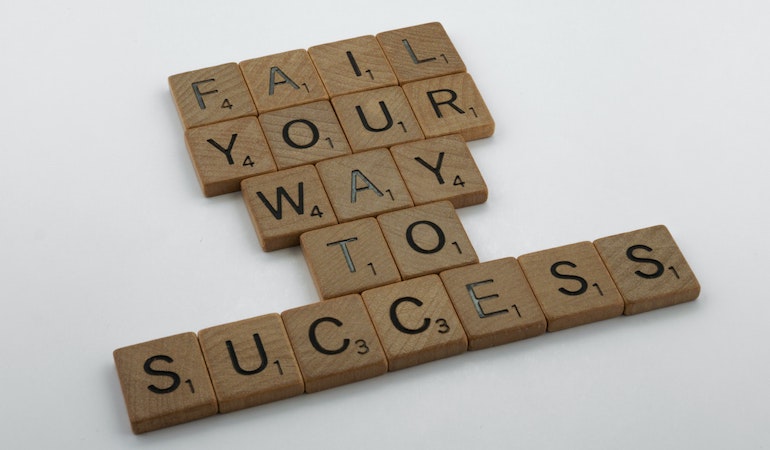
We all need help committing to the long view as we parent; it’s easy to let anxiety and social comparison hijack our highest ideals and goals for our children. Enter Jessica Lahey, author of the New York Times bestselling book, The Gift of Failure: How the Best Parents Learn to Let Go So Their Children Can Succeed. In this podcast episode, Sam Shapiro, Head of Marin Montessori School, speaks with Jessica about her top suggestions for parents for helping their kids develop robust independence, inner motivation to learn, and self-possession.
Key topics in the podcast include:
* A helpful parenting hack in the form of a question that will guide us when we’re deciding whether to step in to take over for our child
* The value of focusing on process over product, especially for anxious kids
* The difference between competence and confidence
* The counterbalance parents can provide to the more harmful messages our children receive about the source of their worth
* The value of strengths-based parenting
In this episode, we dive into a topic that most parents wrestle with because it’s essential and really, really hard. Communication or perhaps more accurately – healthy communication – is critical for a human being at any age to express feelings, preferences, needs and to receive those messages from others. The question is how do we as parents help our kids build strong communication skills? – always a challenge but never more so than in today’s digital world. Siri Panday, Director of Education for Toddler and Primary at Marin Montessori School, joins to share her insights and a few helpful tips for parents.

This fall, David Brooks published an essay in The New York Times called “The Crisis of Boys and Men.” Among his provocative arguments based on some pretty sobering data points: “Many men are like what Dean Acheson said about Britain after World War II. They have lost an empire but not yet found a role.”
When it comes to raising healthy boys today, parents and educators alike are called to wrestle with some troubling and uncomfortable byproducts of seismic shifts in our culture, economy, and society. The news isn’t all bad, though, because parents and schools can do a lot to meet the needs of boys.
To paint a picture of the issue and the way forward, we spoke with Dr. Warren Farrell, author of The Boy Crisis: Why our Sons are Struggling–and What We Can Do About It. It’s a complex and worthy topic. Just a note that this episode addresses some adult topics, so it may be best to listen without the kids in the car.

When I saw this New Yorker cover several years ago I could not take my eyes off of it. As we live through our society’s digital-technological revolution, it symbolized, in playful yet somewhat dystopic imagery, the heart of a concern I was feeling—and still do to some degree.

Teenagers are greatly misunderstood in our culture for a whole host of reasons…
Cosmic Education inspires a rigorous academic pursuit of understanding. It’s not flimsy. It’s made of ore and stone, of science and art.

This summer my younger sister and I took a beach walk. Even though we live only a few hours away from each other, we’d not seen each other in person in more than a year. During the walk she said, “…it just feels like the world is spinning off of its axis.”
We are living through this disquieting time together. Should we expose ourselves all day to the 24-hour news cycle, then panic and paralysis will likely be our bedfellows. How can we stay current, while also role modeling for our children an energized and growth-mindset approach to these challenging times? How can we grow our children’s resilience, and our own?