
Being a teenager has never been easy, but perhaps today, it is even more difficult. According to a recent New York Times article, “the current generation of young Americans feels particularly apprehensive — anxious about their lives, disillusioned about the direction of the country and pessimistic about their futures.”
Beneath these concerns lies a broader sense of instability that shapes how many adolescents experience school, relationships, and their place in the world. This is not just an American phenomenon. Around the world, adolescents are facing unprecedented levels of psychological distress, loneliness, and digital saturation (Díaz). Young people are not simply stressed occasionally; they are living with a persistent sense of anxiety.
This raises an important question: how do we help teenagers see themselves as capable of shaping the future rather than fearing it?
With this question in mind, I envisioned the class, “The Times They are a’Changin’: 1960s Social Movements.” By drawing parallels between the experiences of young people in the 1960s and those of today — including distrust of institutions and disillusionment with national values and promises — I aimed to help students see themselves in history.
William Damon, developmental psychologist and Director of the Stanford Center on Adolescence, asserts that young people thrive when they “feel their lives have meaning, believe they can contribute beyond themselves, and see themselves as capable of making a difference.”
Dr. Maria Montessori similarly described adolescence as a period when young people are searching for both purpose and belonging. Dr. Montessori believed that education should prepare young people to understand the world around them and recognize their capacity to contribute meaningfully to social change. She believed peace is cultivated through meaningful work, independence, and the development of socially responsible individuals.
The 1960s was a decade of intense social change and political activism. Adolescence is also a time when young people naturally begin questioning institutions, examining social norms, and trying to make sense of the world around them. This class tapped into those developmental tendencies by asking students to investigate how young people in the 1960s challenged systems they believed were unjust and worked to imagine something different.
To get a better sense of what life was like, particularly for young people, students in this semester-long class researched social norms in the 1950s and the events of the 1960s that led young people to push back against the status quo. They investigated the rise of counterculture and explored how music, art, and protest were used as tools to promote social change.
A visit to the Counterculture Museum in San Francisco’s Haight-Ashbury neighborhood immersed students in the Summer of Love while introducing them to major social movements of the time, including the Civil Rights, Black Power, Antiwar, Feminist, Gay Rights, Free Speech, and Environmental movements.
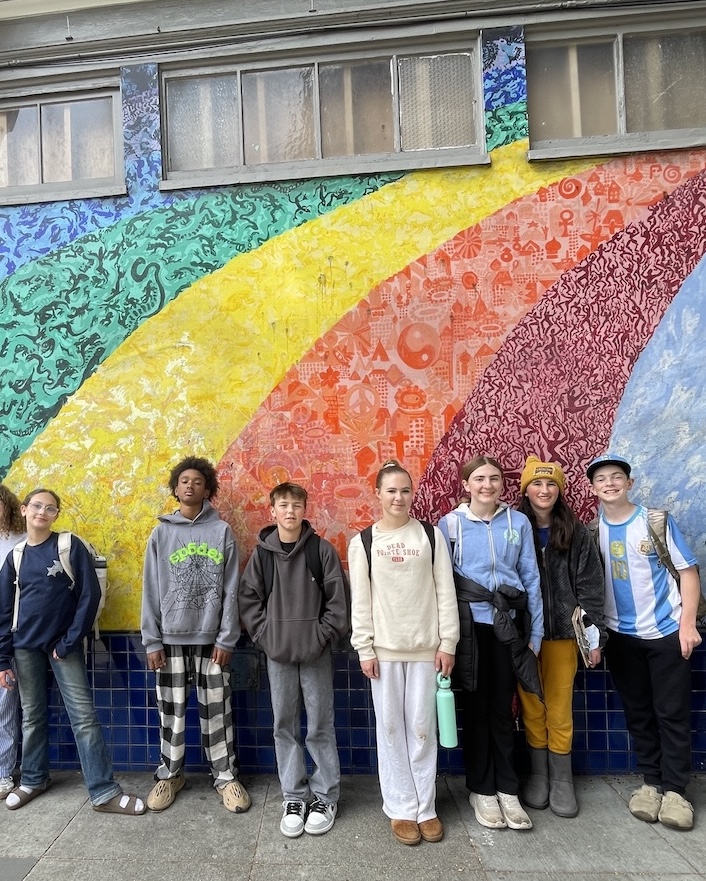
Upon returning to school, students selected one of these movements to explore more deeply. They researched the societal issues that inspired the movement in the 1960s, as well as its goals and strategies, and shared what they had learned. Presentations took the form of news reports, documentaries, and songs.
Their work culminated in an Op-Ed writing assignment in which students used rhetorical strategies to argue for the continued relevance of their social movement and the work that still remains to be done today. The final creative project called upon students to identify a contemporary social issue that matters to them and create a piece of activist art to express their views and hopes.
Students chose contemporary issues related to Black Lives Matter, LGBTQ+ rights, climate change, and immigration enforcement. Their final projects reflected not only historical understanding, but also their desire to connect past struggles for justice to issues shaping their own lives today.
Below are examples of students’ work and reflections:
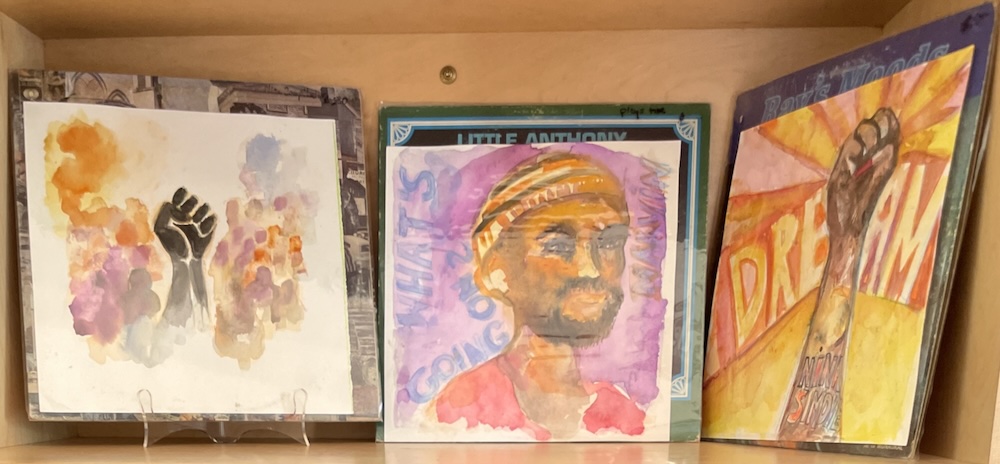
“In the 1960s class, I researched the Black Power Movement and learned about the famous black people who have changed things for the better. I talked with my mom about it, and she introduced me to Marvin Gaye and shared his album with me. For this project, I decided to recreate one of his album covers. The fist used by the Black Power Movement was my inspiration. Then I decided to do two more album covers by Black artists from the time period.”
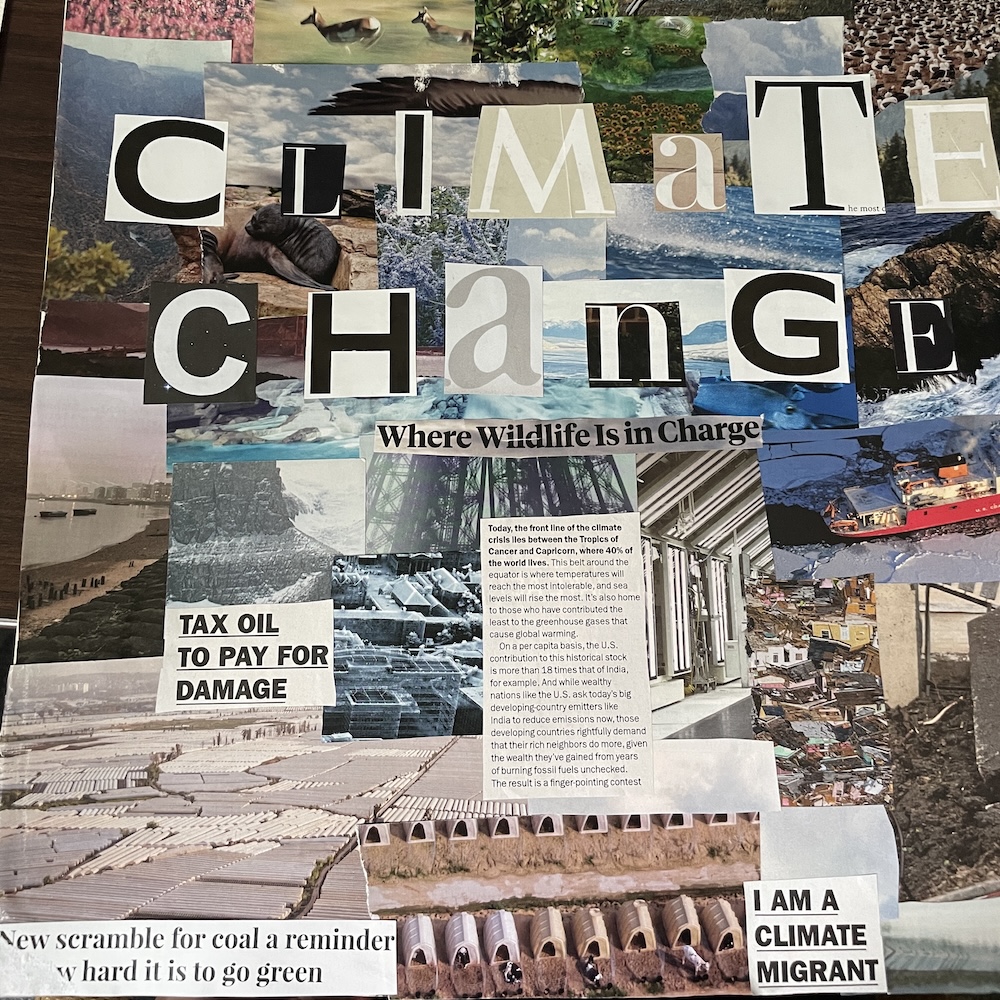
“I chose to make a collage about climate change. I cut and arranged the images to show how our world has changed due to human activity over the years. The top section of the collage shows nature in its natural state and more human construction at the base. This collage for me represents the different beauties of the world and a glimpse at what nature has turned into.”
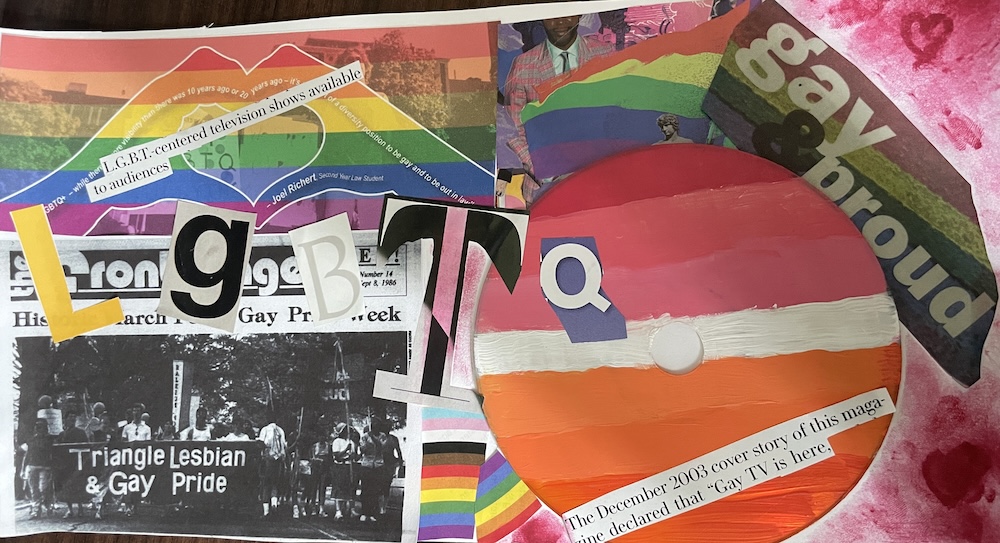
“My collage is about self-expression. I feel that there is still a really big problem in our country when it comes to LGBTQ+ rights. People can’t accept people for who they are and who they love. People were afraid to show who they really are. In the 1960s, the LGBTQ+ community had even fewer rights than today. They couldn’t express themselves through clothing or even join the military. There is still a lot of work to do today, even with laws changing.”
“I created this piece using a digital collage style, combining images, text, and graphics related to social media and phone use. I layered different visuals like notifications, words, and edited photos to show how overwhelming it can feel. I chose bold colors, overlapping images, and mixed textures to make the artwork feel busy and slightly chaotic, which reflects the constant stimulation of being on a phone. This artwork is about phone addiction and how social media affects teenagers, especially their mental health and self-image. The images represent how people can feel trapped, judged, or overwhelmed by what they see online. I want viewers to understand how constant scrolling and comparing can lead to anxiety and insecurity. My goal is for people to feel a little uncomfortable or overwhelmed when looking at the piece, so they can better understand what it’s like and think about their own phone use.”
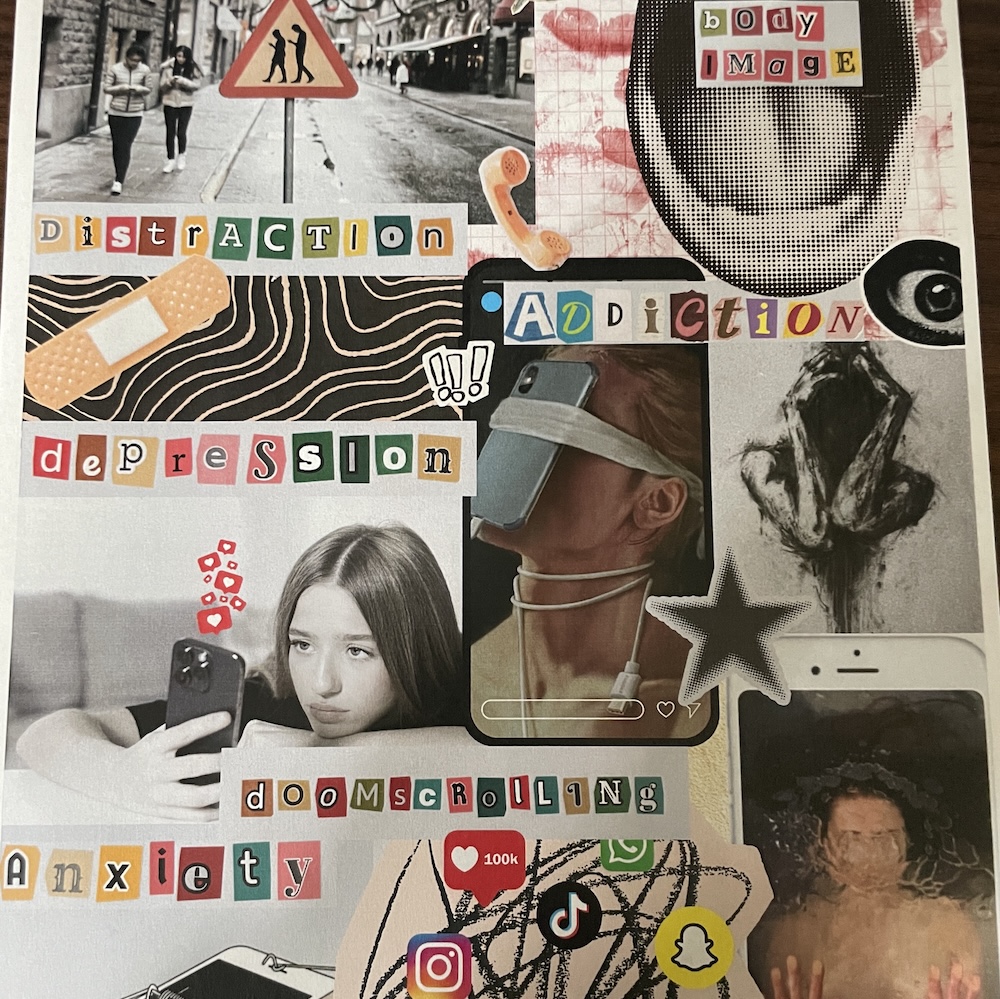
Putting adolescents at the center of their learning and giving them opportunities to reflect on what is meaningful to them helps students feel that their perspectives and values matter. When students feel their voices carry weight, the benefits extend beyond the individual to the broader community.
This type of work channels adolescents’ emotional intensity and idealism into purposeful action. At a time when so many young people feel anxious about the future and pessimistic about the world they are inheriting, projects like these can help students retain a sense of hope and possibility.
Rather than leaving students overwhelmed by contemporary problems, the course encouraged them to see that social change has always been driven by ordinary people — especially young people — who believed they could make a difference. By studying movements from the past and reflecting on the challenges of the present, students began to see themselves not simply as observers of history, but as people capable of shaping the future themselves.
Works Cited
Damon, William. The Path to Purpose. Free Press, 2008.
Ferreira, Díaz MJ. Adolescence in crisis: Insights from the 2024 ESPAD report and a nursing perspective. iScience. 2026 Jan 19;29(2):114726. doi: 10.1016/j.isci.2026.114726. PMID: 41660238; PMCID: PMC12874094.
Miller, Claire. Today’s Teenagers: Anxious about Their Futures and Disillusioned by Politicians – The New York Times, New York Times, www.nytimes.com/2024/01/29/upshot/teens-politics-mental-health.html. Accessed 7 May 2026.
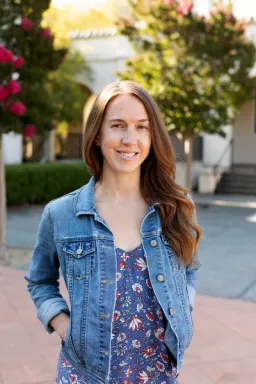
Ali has been a member of the Marin Montessori Junior High faculty since 2013. A graduate of the University of California, Santa Cruz, she holds a bachelor’s degree in environmental studies and a master’s degree in education. She also holds both an elementary and an adolescent diploma from the Association Montessori Internationale (AMI).
Ali brings to the Junior High her love of place-based education, honed during five years as a naturalist. Curriculum development and classroom teaching fuel her creativity and inspire her daily. She finds deep fulfillment in crafting engaging, meaningful learning experiences.